

Your water heater is one of the hardest-working appliances in your home, quietly providing hot water for showers, laundry, and dishwashing every day. But because it operates mostly out of sight, it’s easy to overlook how much energy it’s using—or wasting. An inefficient water heater can drive up your utility bills and make your system work harder than it should. So, is your water heater wasting energy? Here are some common signs that your water heater might be and what you can do about it.

Your Energy Bills Are Rising
If your utility bills have crept up even though your hot water usage hasn’t changed, your water heater could be the culprit. Sediment buildup, worn heating elements, or a failing thermostat can all make your system less efficient. Older units, especially those more than 10 years old, tend to lose efficiency over time simply due to regular usage.
Inconsistent Water Temperatures
Does your shower sometimes run hotter or cooler than you expect? Fluctuating water temperatures can be a sign that your water heater is struggling to maintain consistent performance. That inconsistency means the system is cycling more frequently, which wastes both water and energy.
Hot Water Runs Out Quickly
If your hot water supply doesn’t last as long as it used to, the tank may be filled with sediment or mineral buildup. This buildup acts as insulation between the heating element and the water, forcing the unit to work harder and use more energy to reach the same temperature.
You Hear Strange Noises
Popping, rumbling, or banging noises coming from your water heater are more than just annoying – they’re a sign of sediment accumulation at the bottom of the tank. As water gets trapped under the sediment and boils, it creates those sounds. Not only does this reduce heating efficiency, but it can also shorten the lifespan of your system.
The Water Heater Feels Hot to the Touch
If the outside of your tank feels warm, heat is escaping. Poor insulation around the tank or exposed hot water pipes means your system is losing energy to the surrounding area. Installing a water heater blanket or insulating your hot water lines can make a noticeable difference in energy use.
Your Water Heater Is More Than 10 Years Old
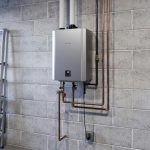
Even the best-maintained water heater won’t last forever. Traditional tank-style units typically last 8 -12 years before their performance weakens. If yours is nearing or past that age, upgrading to a newer, more energy-efficient model – or even a tankless water heater – can reduce your energy costs and improve system performance.
The Bottom Line
If you see signs of aging in your water heater – or, to help keep it performing at optimal levels – contact Norhio Plumbing to schedule a water heater inspection. We’ll check both its performance and safety factors to help ensure you’re getting full value for your investment in improved indoor comfort.


Leave a Reply