
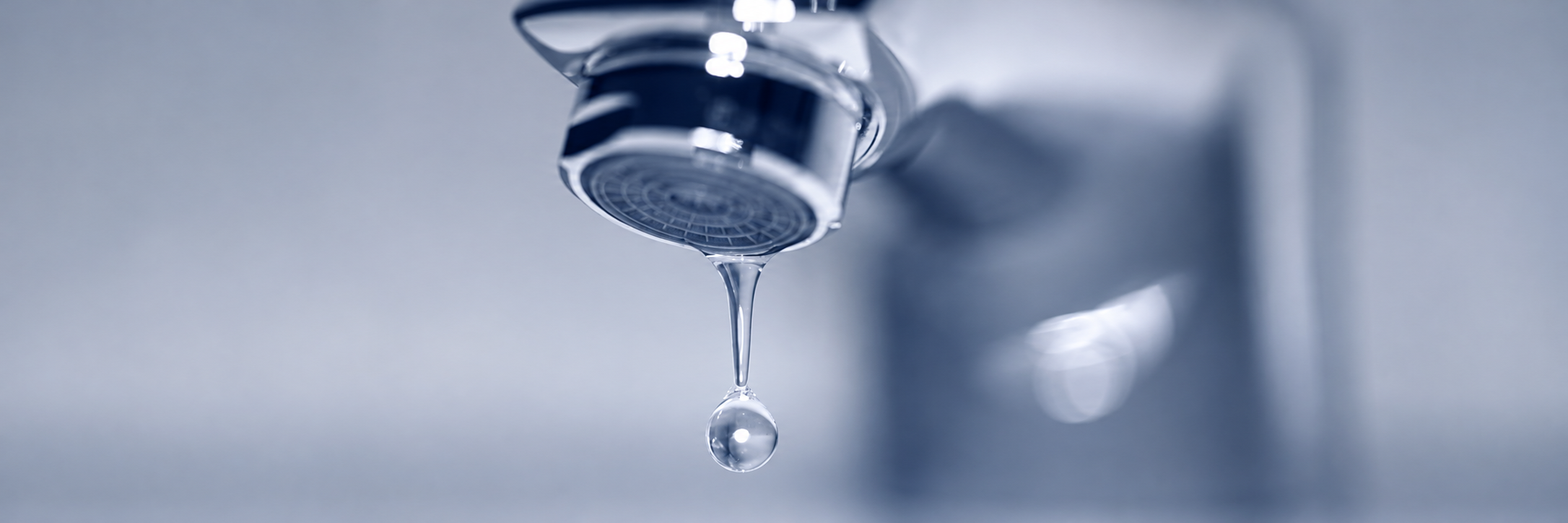
Water is something most of us take for granted. We turn on a faucet, flush a toilet, run the dishwasher, or take a shower without giving much thought to how much water we’re actually using. But what if your home is wasting more water than you realize? Even relatively minor leaks, outdated plumbing fixtures, and everyday habits can contribute to your wasted water total, which Google estimates to be 9,400 gallons per year, per household. And if there are 100 homes in a given neighborhood. We did the simple math to get that number, but in this case there’s no need to state the obvious. The need is to pinpoint where our wasted water is coming from and doing what we can to minimize or halt bad habits wherever possible.
Hidden Leaks Can Waste a Lot of Water
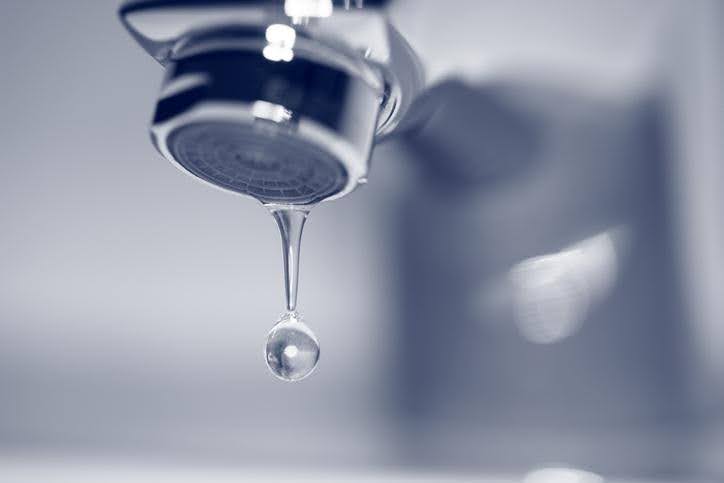
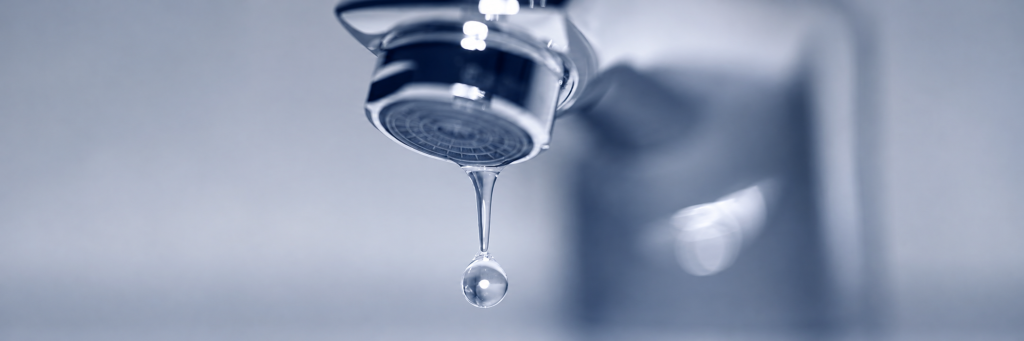
A dripping faucet may not seem like a serious problem, but even a slow drip can waste gallons of water every day. A running toilet can be even worse, potentially wasting hundreds of gallons daily depending on the severity of the problem.
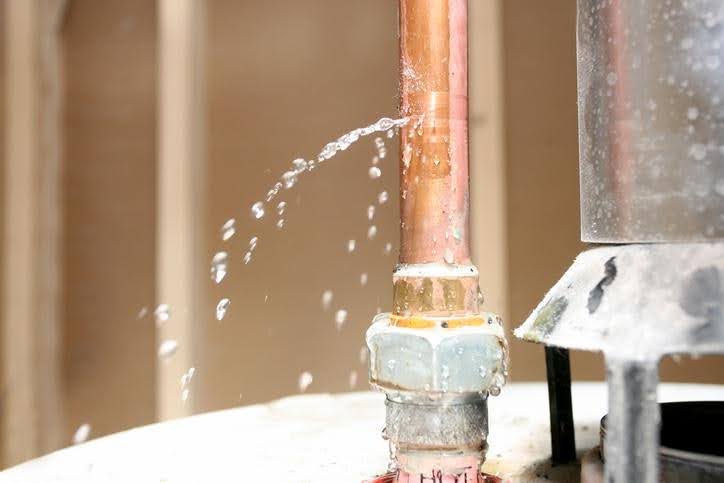
Leaks can also develop in less visible places, including under sinks, behind walls, beneath floors, and around water supply connections. Keep an eye out for unexplained increases in your water bill, damp spots, musty odors, or the sound of running water when no fixtures are being used.
Outdated Fixtures May Be Using More Water
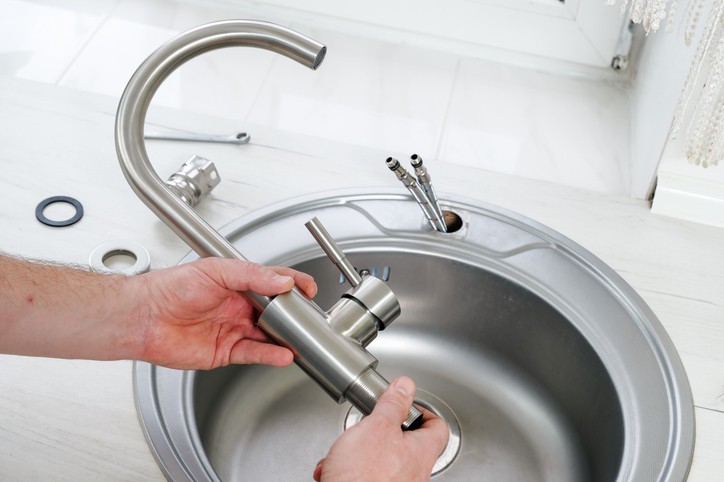
Older plumbing fixtures and appliances often consume considerably more water than newer, water-efficient models. For example, older toilets can use significantly more water per flush than today’s high-efficiency models. Older showerheads and faucets may also deliver more water than necessary.
Replacing these fixtures with modern, water-saving alternatives can reduce household water consumption without sacrificing everyday convenience or performance.
Everyday Habits Make a Difference
Sometimes, water waste has less to do with your plumbing and more to do with how you use it. Letting the water run while brushing your teeth, taking unnecessarily long showers, and running dishwashers or washing machines before they’re full are common examples.
A few simple changes can make a meaningful difference. Turn off the faucet when it isn’t needed, consider shorter showers, and operate appliances with full loads whenever practical.
Don’t Overlook Your Outdoor Water Use
Water waste isn’t limited to the inside of your home. Leaking outdoor faucets, damaged sprinkler heads, and improperly adjusted irrigation systems can waste substantial amounts of water. Watering your lawn during the hottest part of the day can also result in unnecessary evaporation.
Check outdoor plumbing connections regularly and make sure irrigation systems are operating efficiently.
A Plumbing Inspection Can Reveal Hidden Waste
If you’re concerned about how much water your home may be wasting, a professional plumbing inspection is a great place to start. One of our plumbers can check for leaks, evaluate the condition of your fixtures, identify inefficient plumbing components, and recommend improvements that can help conserve water.
Remember, saving water isn’t just about being environmentally responsible. As such, contact Norhio Plumbing today to schedule a whole-house plumbing inspection of your own.


Leave a Reply