
When winter temperatures take a nosedive, your home’s plumbing system can be particularly vulnerable. Pipes located in unheated areas — such as exterior walls, basements, crawl spaces, and garages — are especially susceptible to freezing.
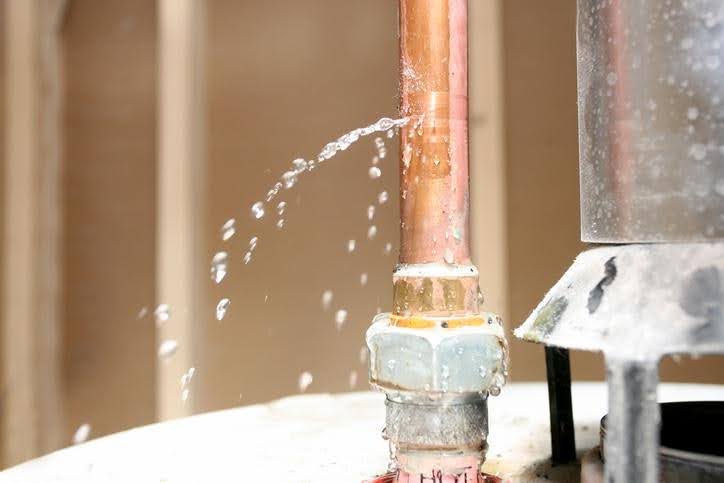
Unfortunately, what begins as a frozen pipe can quickly turn into a much bigger problem if the expanding ice causes the pipe to crack or burst. Knowing what warning signs to look for can help you react before serious water damage occurs.
Signs You May Have a Frozen Pipe
A frozen pipe doesn’t always announce its presence. However, there are several clues that something may be wrong:
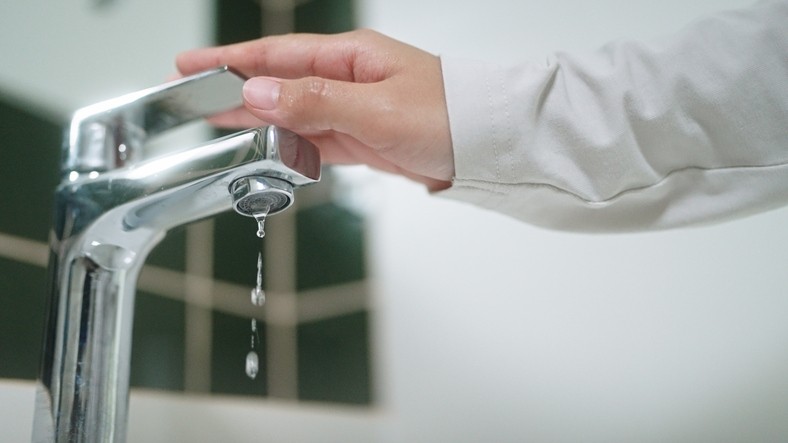
- Little or No Water Flow: One of the most common signs is reduced water pressure or no water coming from a faucet. If only one faucet is affected, a frozen pipe somewhere along that water line may be the culprit.
- Frost on Exposed Pipes: If you notice frost or ice forming on an exposed pipe, there’s a good chance the water inside has frozen or is beginning to freeze.
- Unusual Sounds: Banging, gurgling, or bubbling noises coming from your plumbing that you hear when turning on a faucet could indicate a blockage caused by ice.
- Unusually Cold Pipe Surfaces: A section of pipe that feels exceptionally cold to the touch compared to surrounding plumbing may be at risk of freezing.
Staying alert to the possibility of a frozen pipe is always a good idea.
Warning Signs of a Cracked or Burst Pipe
When water freezes inside a pipe, it expands and creates pressure that can damage the pipe walls. Even if the ice eventually melts, the resulting crack can allow water to escape. These are the warning signs to stay look out for:
- Water Stains or Discoloration: Brownish stains on ceilings or walls, bubbling paint, or peeling wallpaper on walls and ceilings may indicate a hidden plumbing leak.
- Damp Spots or Puddles: Unexplained moisture around pipes, beneath sinks, or in basements could signal a crack or leak.
- A Sudden Drop in Water Pressure: If your faucets suddenly produce less water than usual, a damaged pipe may be allowing water to escape before it reaches the fixture.
- Unexplained Increases in Water Usage: A leaking pipe can cause your water bill to climb even when your household’s water habits haven’t changed.
- Musty Odors: Persistent damp or musty smells may indicate water accumulating behind walls, beneath flooring, or in other concealed spaces.
What Should You Do If You Suspect a Frozen or Burst Pipe?
If you suspect a pipe has frozen, don’t ignore it. Keep the affected faucet open slightly, and gently warm an accessible frozen section using a hair dryer or warm towels. Never use an open flame or torch. If you cannot locate the frozen section or safely thaw it, contact Norhio Plumbing, your local plumbing professionals.
If you discover a burst pipe or active leak, shut off your home’s main water supply immediately. If water is near electrical outlets or appliances, avoid the area and seek professional assistance. Then call us to locate the source and extent of the damage and then to make the necessary repairs.
How to Prevent a Frozen Pipe Episode
A little preparation can go a long way toward protecting your plumbing. For example, insulating exposed pipes, sealing drafts, and keeping vulnerable areas adequately heated can all help prevent freezing. For more helpful plumbing tips, especially pertaining to a potential frozen pipe episode, contact Norhio Plumbing today.


Leave a Reply