
Water pressure plays an important role in how well your home’s plumbing system performs. It affects everything from your morning shower to how efficiently your appliances run. While most homeowners only notice water pressure when it’s too low, both high and low pressure can create serious issues over time. Understanding how water pressure impacts your plumbing can help you avoid costly repairs and keep your system running without costly interruptions.
The Importance of Balanced Water Pressure
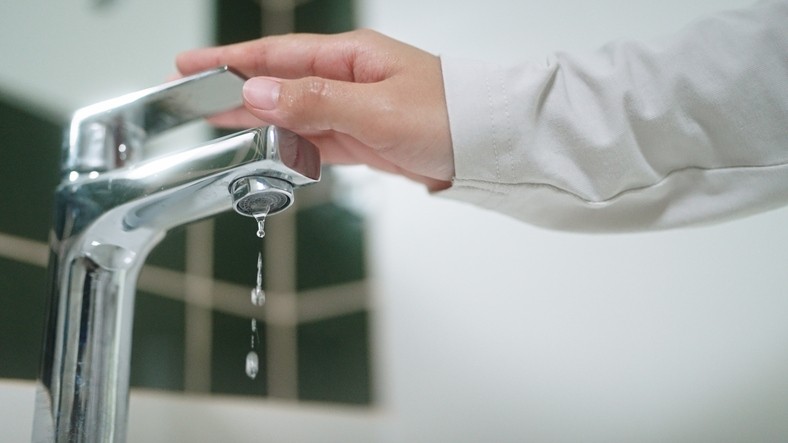
Every plumbing system is designed to operate within a specific pressure range – typically between 40 and 60 pounds per square inch (psi). This range provides strong water flow without putting excess stress on your pipes and fixtures. If your home’s water pressure is consistently outside this range, it can lead to problems that affect your plumbing’s performance and longevity.
When Pressure Is Too Low
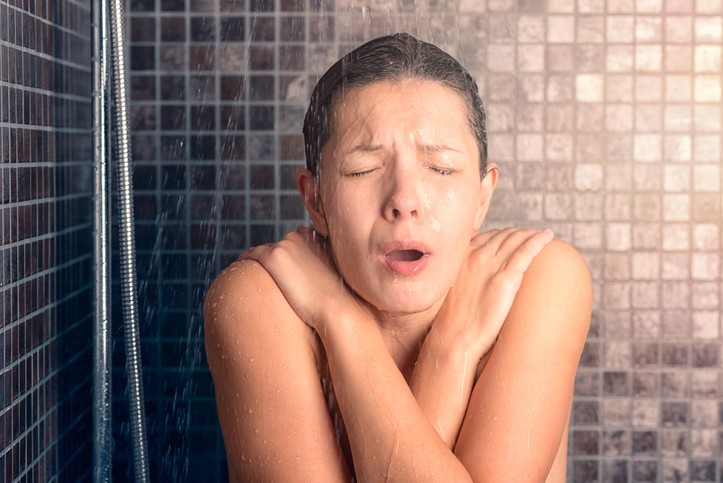
Low water pressure makes showers weak, causes dishwashing and laundry cycles to slow down, and can make it difficult for irrigation systems to work effectively. Common causes include mineral buildup in pipes, hidden leaks, faulty pressure regulators, or issues with the municipal water supply. If you notice a sudden but persistent drop in water pressure, it’s important to have a plumber inspect your system to rule out leaks or obstructions that could worsen over time.
When Pressure Is Too High
While strong water flow might seem like a good thing, excessively high water pressure can be harmful. Over time, it can cause pipes, joints, and seals to wear out prematurely. High pressure can also lead to burst pipes, water hammer (loud banging noises in pipes), and leaks around faucets, toilets, or water heaters. In addition, high water pressure can shorten the lifespan of water-using appliances such as dishwashers, washing machines, and water heaters. Installing a pressure-reducing valve (PRV) can help keep your home’s water pressure within safe and effective limits.
How to Check and Maintain Proper Pressure
You can measure your home’s water pressure with a simple pressure gauge available at most hardware stores. If it reads above 80 psi or below 40 psi, it’s worth having a licensed plumber investigate. Regular plumbing maintenance can also help ensure that valves, regulators, and connections are functioning properly.
Protecting Your Plumbing Investment
Maintaining the right water pressure isn’t just about comfort – it’s about protecting your home’s plumbing infrastructure. Balanced water pressure helps prevent leaks, reduces wear and tear, and supports the efficient operation of every fixture and appliance.
If you’ve noticed changes in water pressure or signs of plumbing strain, don’t wait until a bigger issue develops. A quick professional inspection by Norhio Plumbing can save you from future headaches and costly water damage.


Leave a Reply