

Your kitchen faucet gets more daily use than almost any other plumbing fixture. Whether you’re washing dishes, prepping meals, or simply grabbing a glass of water, that faucet is constantly being turned on and off. Because it works so reliably, most people don’t give it much thought – until it starts acting up. Faucet issues can disrupt your routine fast. Here are some of the most frequent kitchen faucet problems and why they happen.
Drips That Won’t Quit
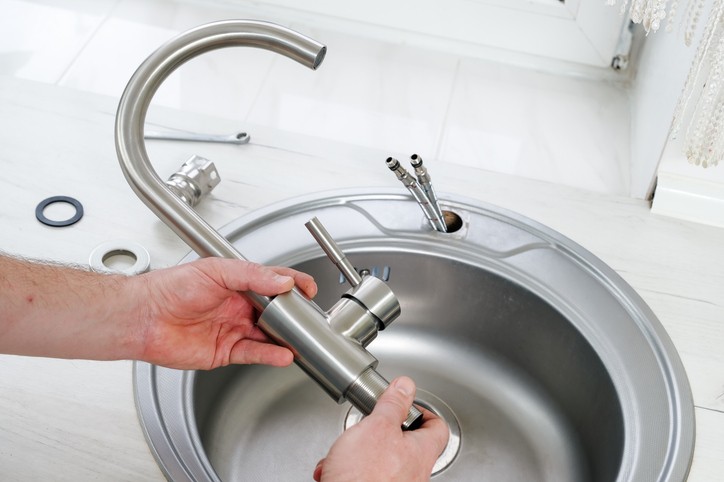
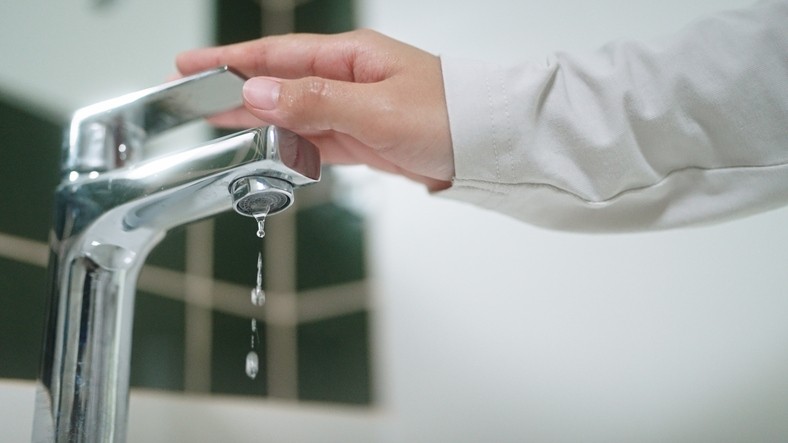
A steady or intermittent drip isn’t just irritating; it wastes water and money. Even a minor drip can send gallons down the drain every day. Most of the time, worn internal components like washers, O-rings, or cartridges are to blame. These parts naturally degrade with age or from hard water minerals. A simple repair can usually stop the drip and restore proper function.
Weakened Water Flow
If your faucet used to deliver a strong, steady stream but now barely trickles, the aerator may be the problem. This small mesh piece at the end of the spout can collect mineral buildup, thus reducing water flow. Cleaning it out or replacing it can make a dramatic difference. Or let’s say the aerator isn’t the issue. In that case, the problem may stem from a clogged cartridge or sediment in the supply lines.
Moisture or Leaks Beneath the Sink
Discovering dampness or a musty smell under the sink is a red flag. Hidden leaks often stem from loose connections, aging supply hoses, or deteriorating seals. Even a slow leak can cause considerable damage if it goes unnoticed, including mold growth or warped cabinetry. Addressing the problem quickly can prevent costly repairs.
Loose or Difficult Handles
If your faucet handle wiggles, sticks, or feels harder to operate than it once did, something inside may be wearing out. Mineral deposits, worn cartridges, or loose screws can all impact the handle’s movement. If shutting off the water completely becomes difficult, the issue should be checked out right away to prevent more serious leaks.
Problems with Pull-Out or Pull-Down Sprayers
Sprayer hoses make kitchen tasks easier, but they’re also prone to wear. Reduced pressure, poor retraction, or leaks at the hose-faucet connection can occur over time. These issues usually point to mineral buildup, a failing hose, or general wear and tear.
Faucet Corrosion and Wear
Although modern faucets are designed to resist corrosion, older fixtures or those exposed to hard water may still show signs of rust or pitting. Corroded parts can weaken the faucet and affect performance, making replacement a smart option.
A kitchen faucet may not seem complicated, but its components work together to provide reliable, everyday convenience. If you’re experiencing any of these problems, prompt attention can prevent bigger headaches later. And if it’s time for an upgrade, give us a call – Norhio Plumbing. We can help you choose the right faucet for your kitchen and install it professionally for long-lasting performance.




Leave a Reply